Phycologica was an interactive, immersive installation by Studio Blue Green (Jon Somerscales and Andrew Stone), showcasing microalgae’s ability to sequester carbon through the animating power of breath. It took place at Centrespace, Bristol, in October 2025.
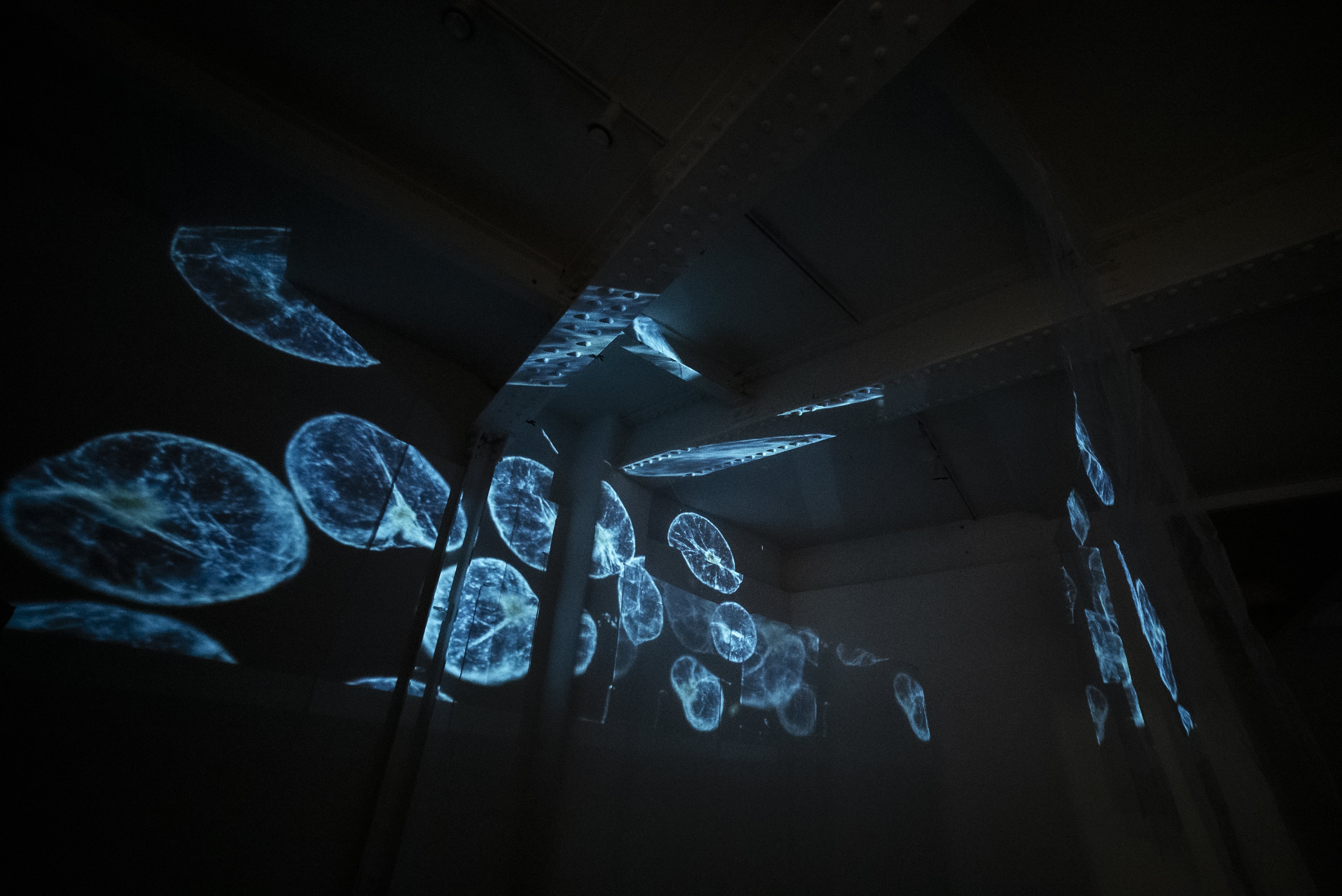
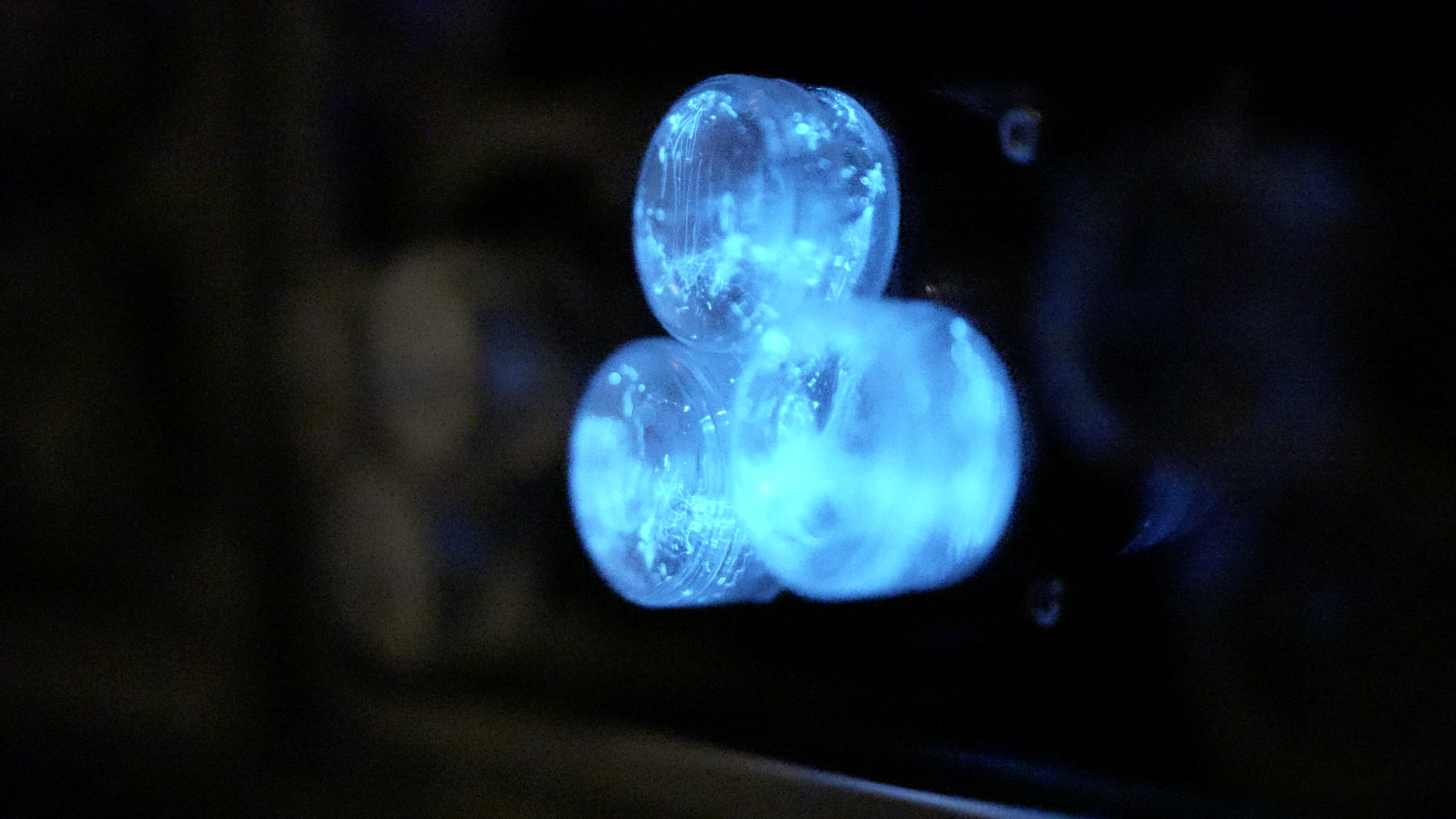
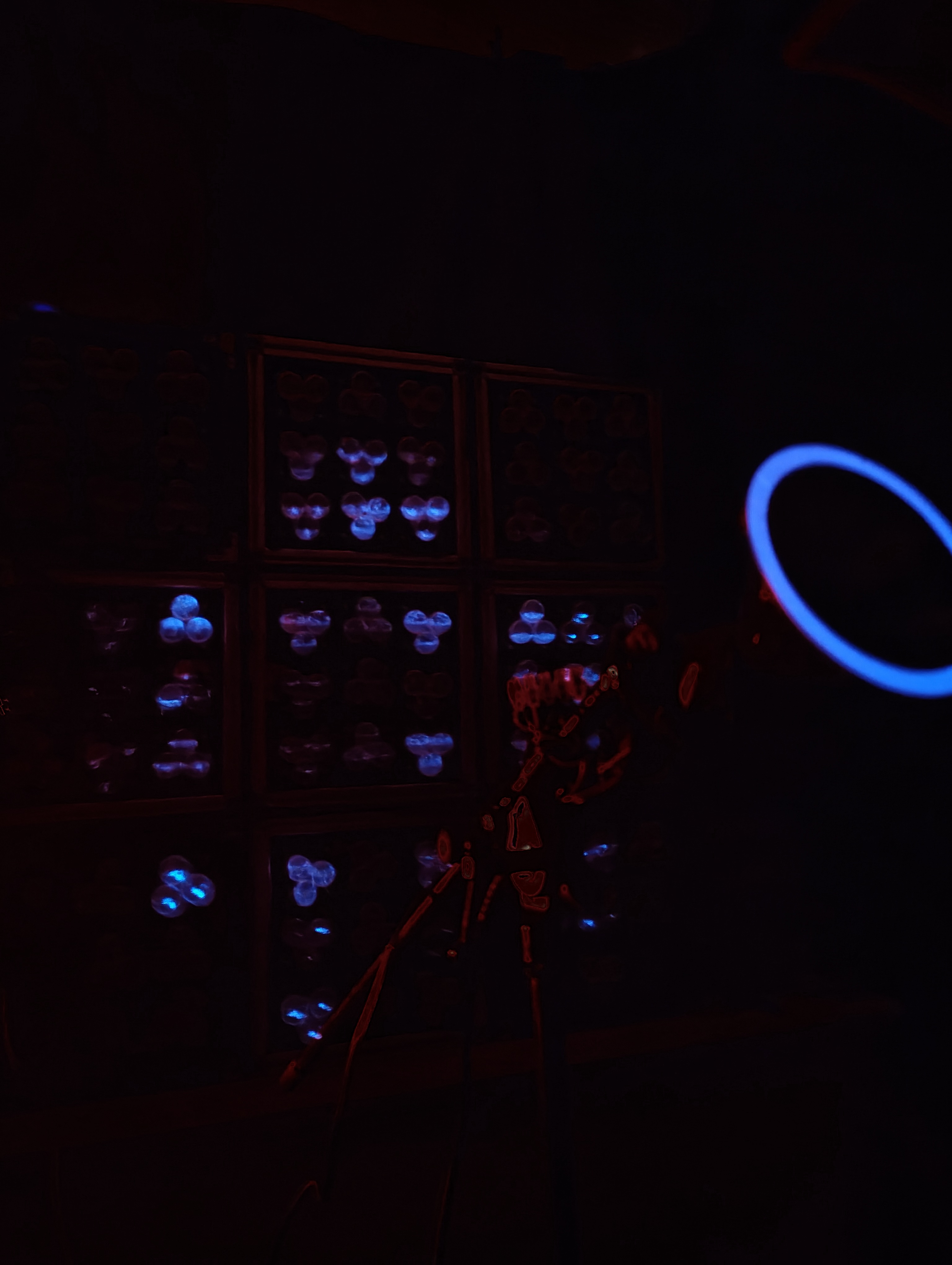
Visitors were invited to exchange their breath with living algae. Their exhalation was absorbed by the algae array, leading to a transmission of light, sound, and wonder.
The exchange
A shared, innate physiological process — breath — became the interface between visitor and organism. As people exhaled into the array, the algae responded: light moved, sound rose, and an unseen world briefly made itself felt.
One of the first living things on Earth, algae holds deep wisdom — if we can pause and listen.
— Studio Blue Green
Foundational kin
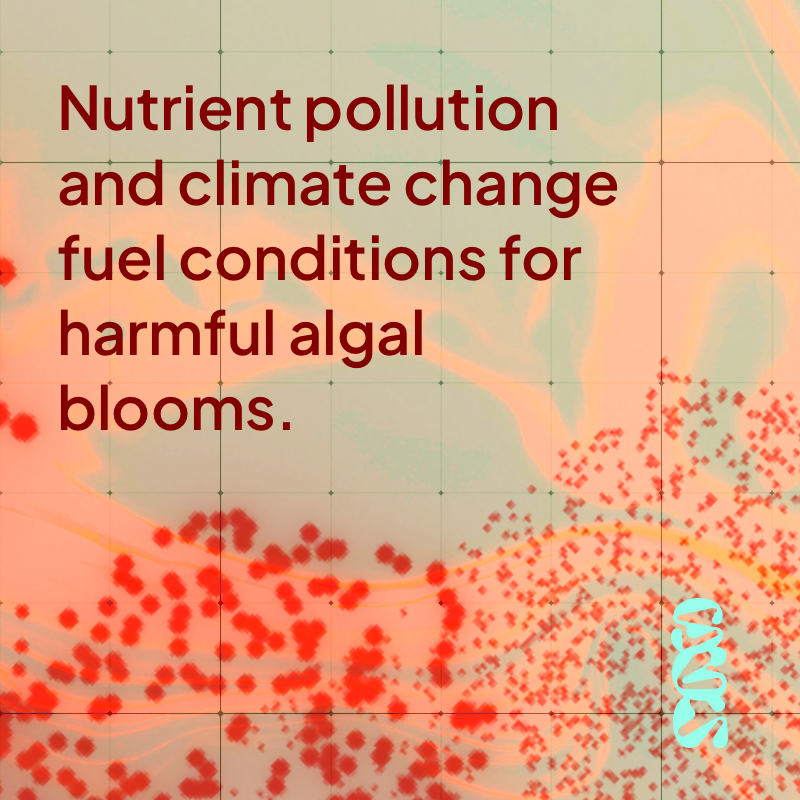
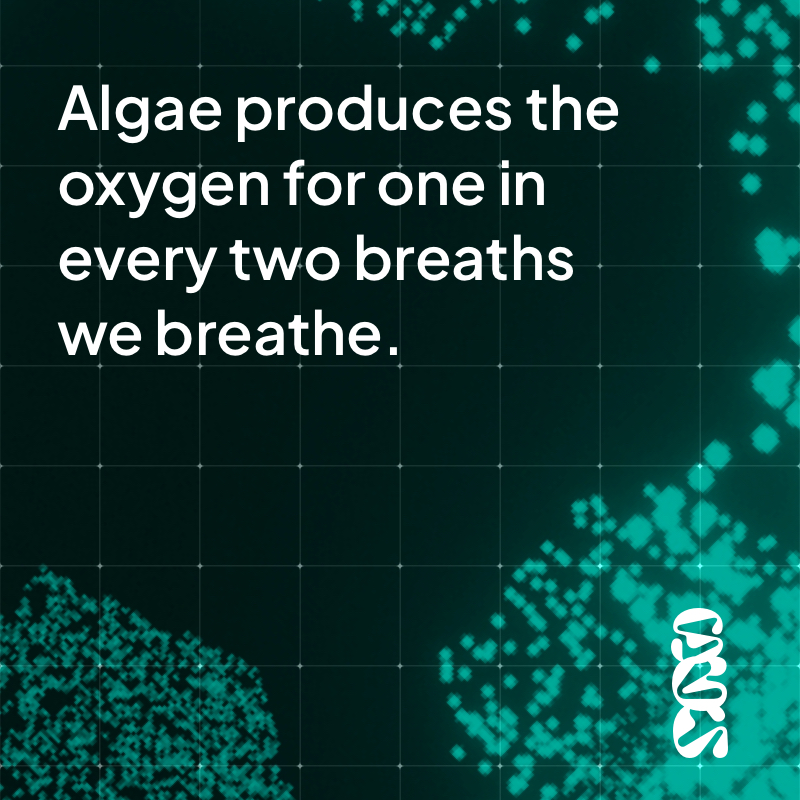
Often only seen when warming waters cause harmful blooms, microalgae’s beneficial properties can be missed. Producing half the oxygen we breathe and removing atmospheric carbon more efficiently than trees, they’re a foundational species, crucial to planetary health.
For millennia, microalgae have enabled the ocean biome to regulate the planet, absorbing heat and carbon dioxide. Harnessing this photosynthetic process could be a powerful climate-mitigation application.
A hopeful, multi-species future
The installation sought to create a magical interaction through a shared physiological process, encouraging deeper connection and reflection on our relationship with the unseen world — and a sense of timeless wonder.
Studio Blue Green aimed to spark imagination for a hopeful, multi-species future as we enter the Symbiocene: encouraging reciprocity, embracing nature-based solutions, and accelerating R&D in phyco-capture applications. They hoped audiences would reflect on our entangled relationship with hidden planetary systems, and on our role as stewards of them.
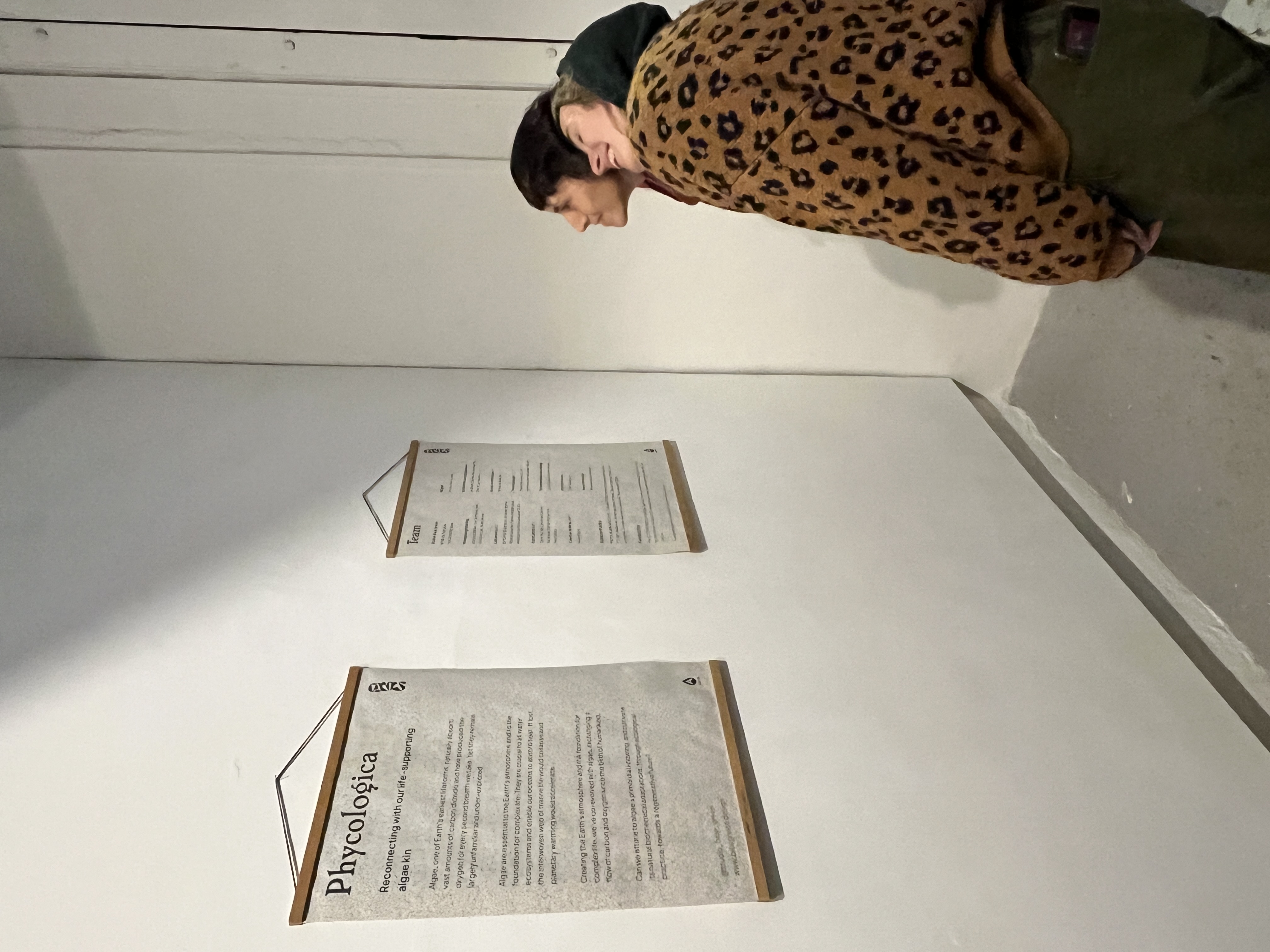
Reconnecting with our life-supporting algae kin
Algae, one of Earth’s earliest lifeforms, naturally absorb vast amounts of carbon dioxide and have produced oxygen for every second breath we take. Yet they remain largely unfamiliar and under-explored.
Can we attune to algae's primordial knowing, and cultivate its natural biochemical adaptations, through ecological practice, toward a regenerative future?
Research
Three strands of research ran alongside each other, each feeding the others.
Material research established what the organisms could actually do — culturing the algae, characterising their bioluminescent response, and finding the conditions under which breath could reliably trigger it.
Design research asked what form that response should take. Working with a living material means the medium sets its own terms: response times, recovery periods, and the light levels it will tolerate all became design constraints rather than choices, and the piece was shaped around them.
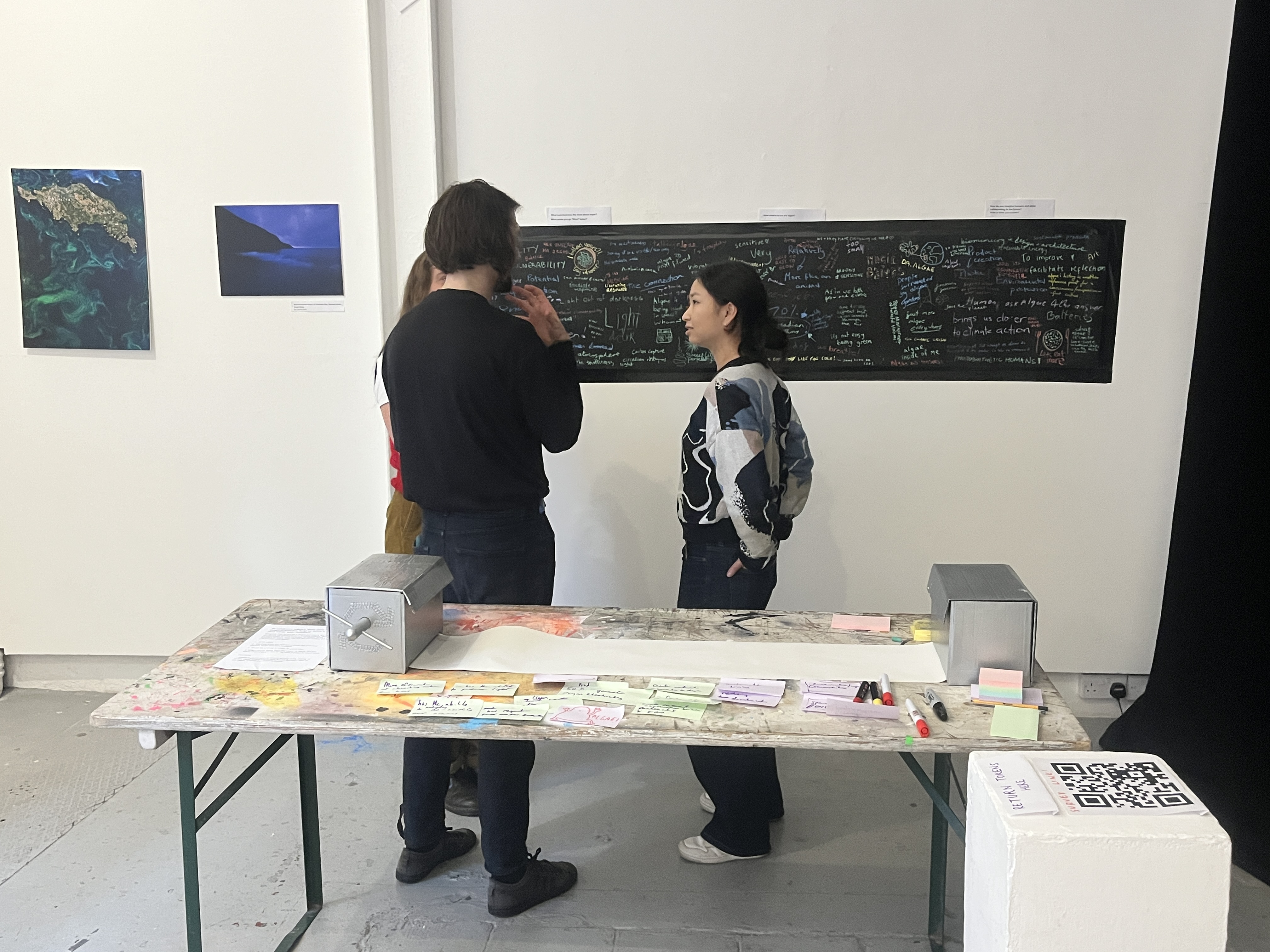
User experience research tested whether people would understand the exchange without being told. Breath is an unusual interface, and the work had to invite it — reading as an invitation rather than an instruction, and making the algae’s response legible as a reply.
Digital edition at the Bristol Botanic Gardens
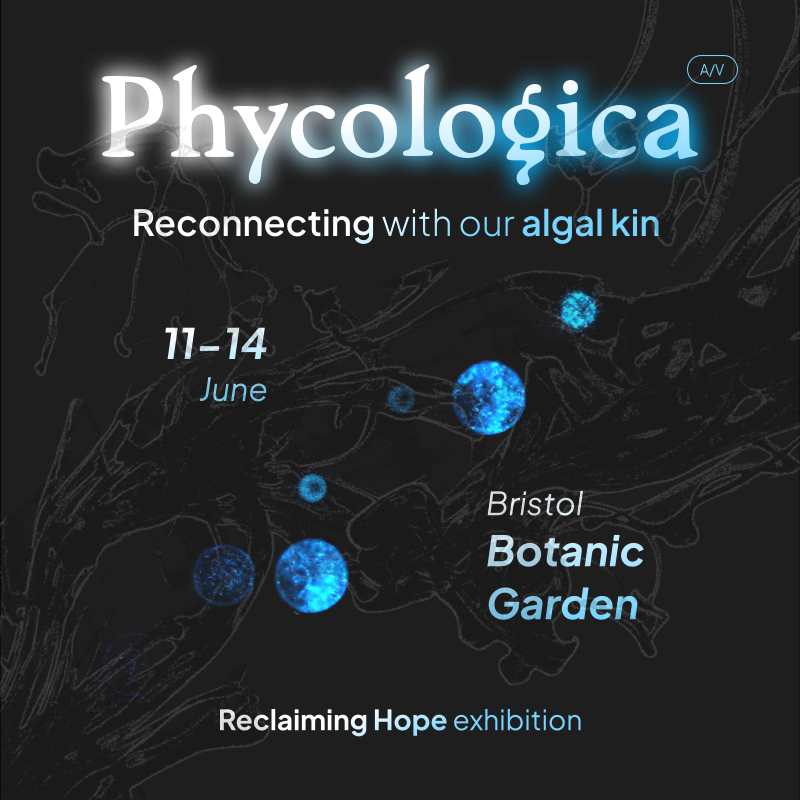
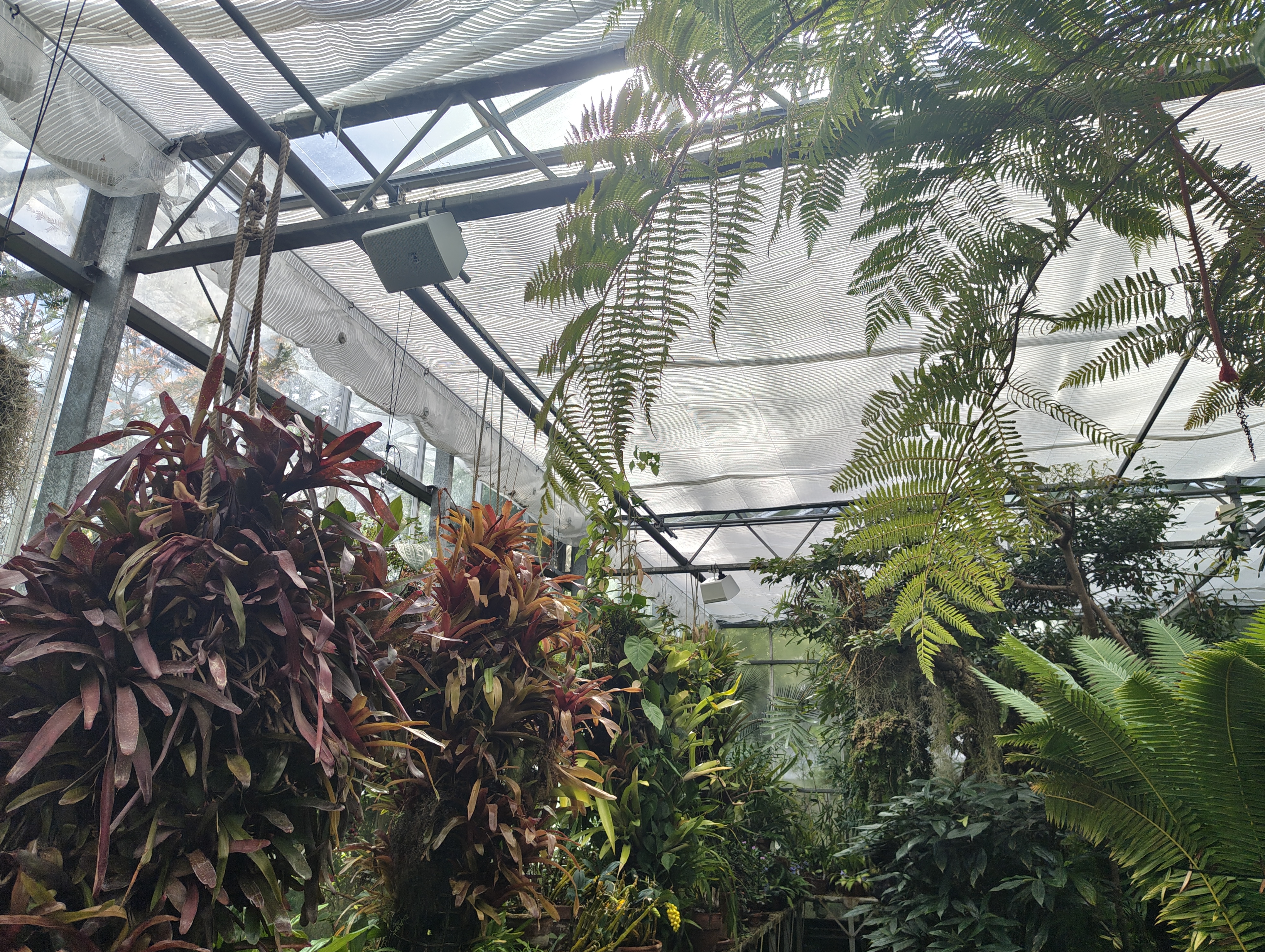
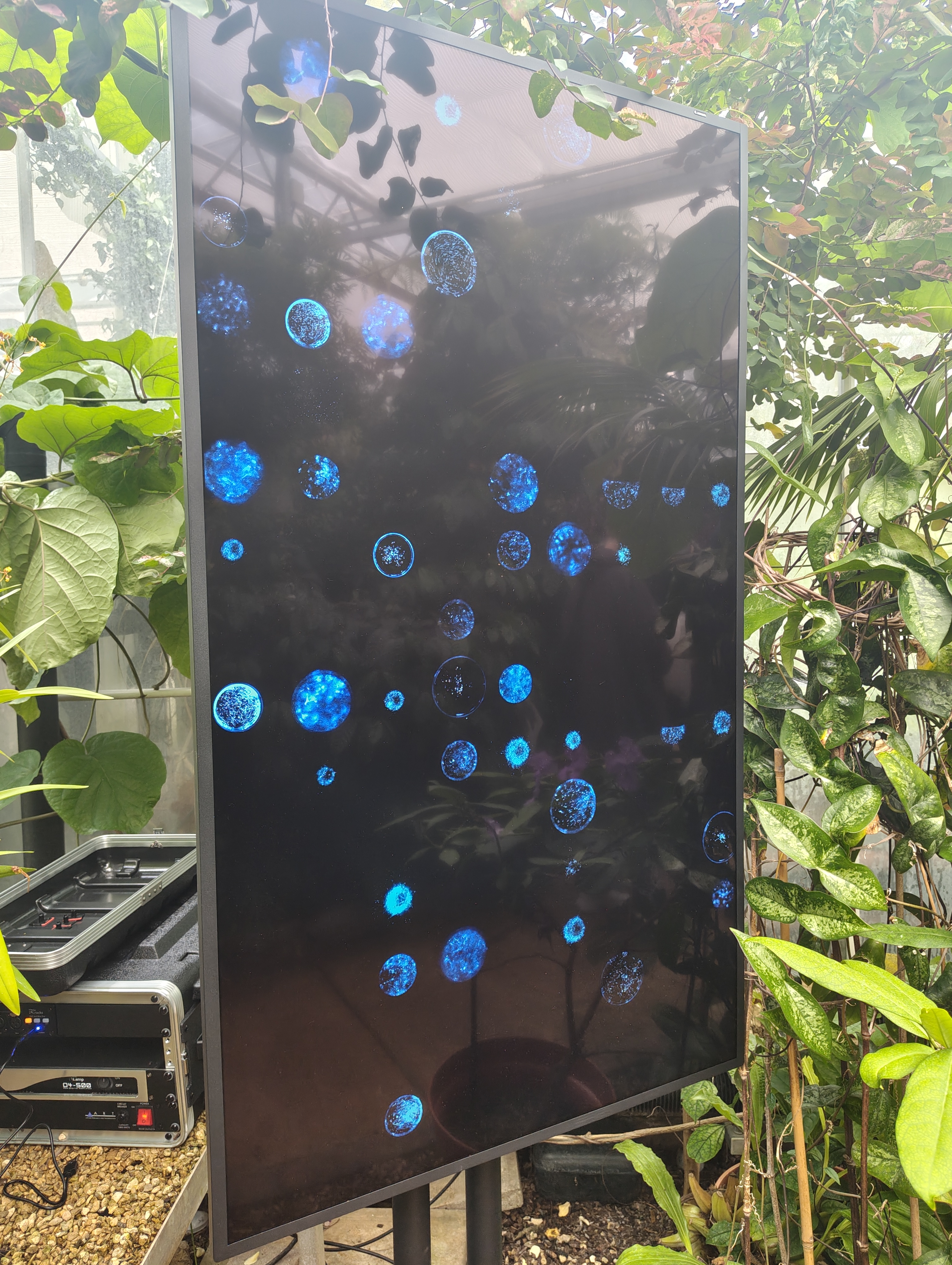
A digital edition of Phycologica was presented at the University of Bristol Botanic Gardens, placing the work amongst living collections and reaching audiences already attuned to plant life and planetary systems.
Talks
The work has been presented in talks exploring what it means to design with living organisms — the practicalities of working with algae, and the wider case for treating other species as collaborators rather than material.
Workshops
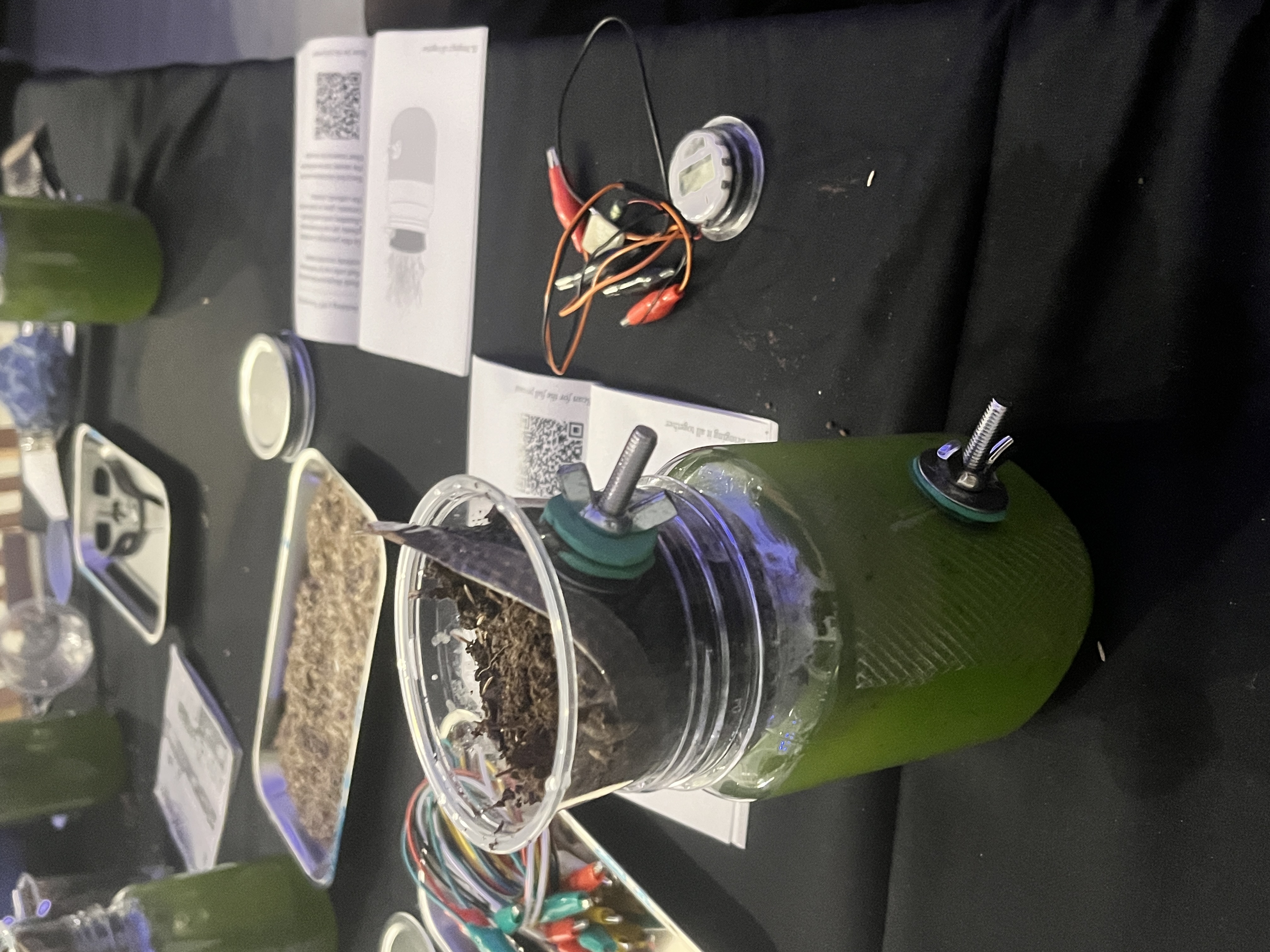
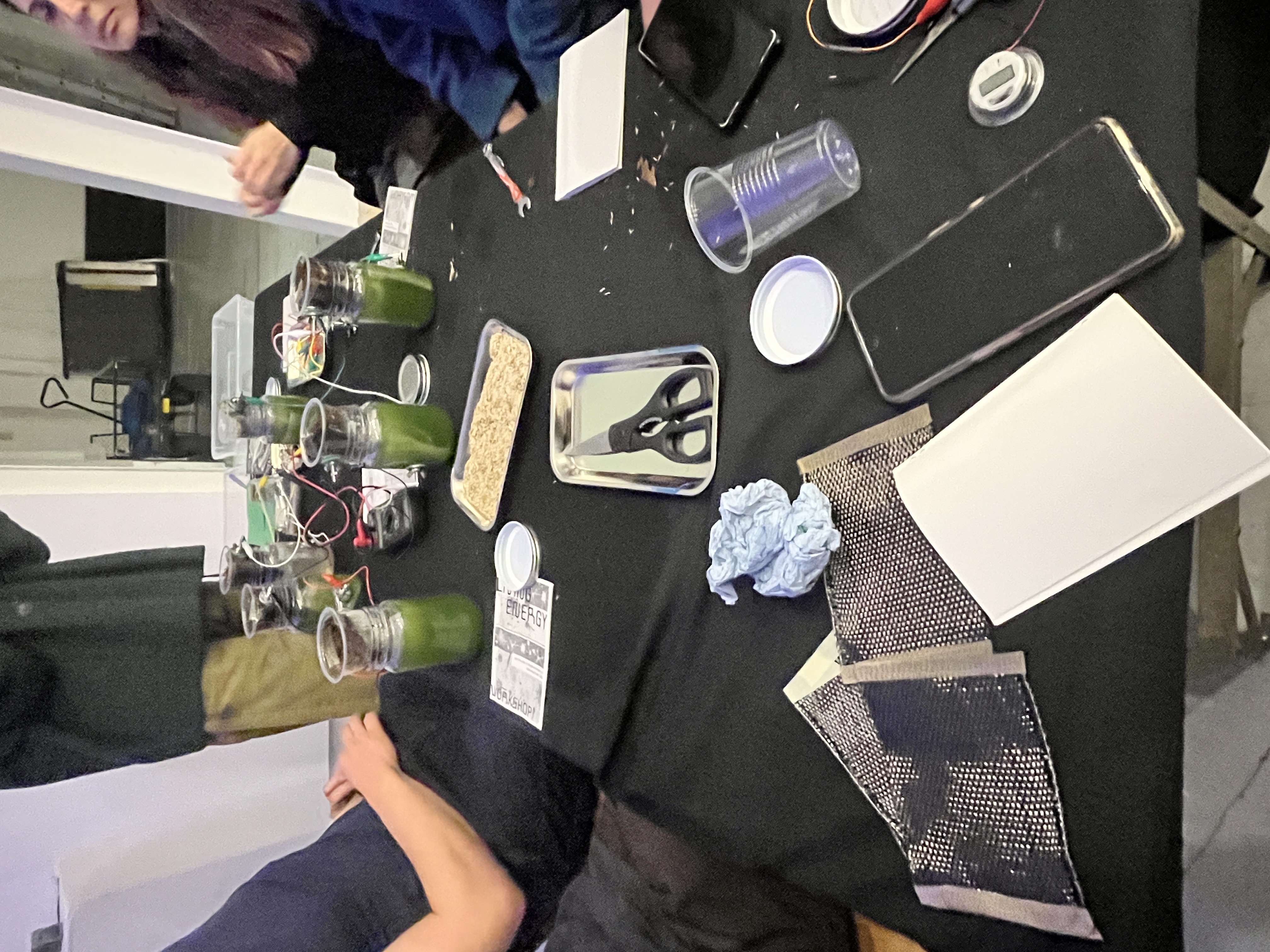
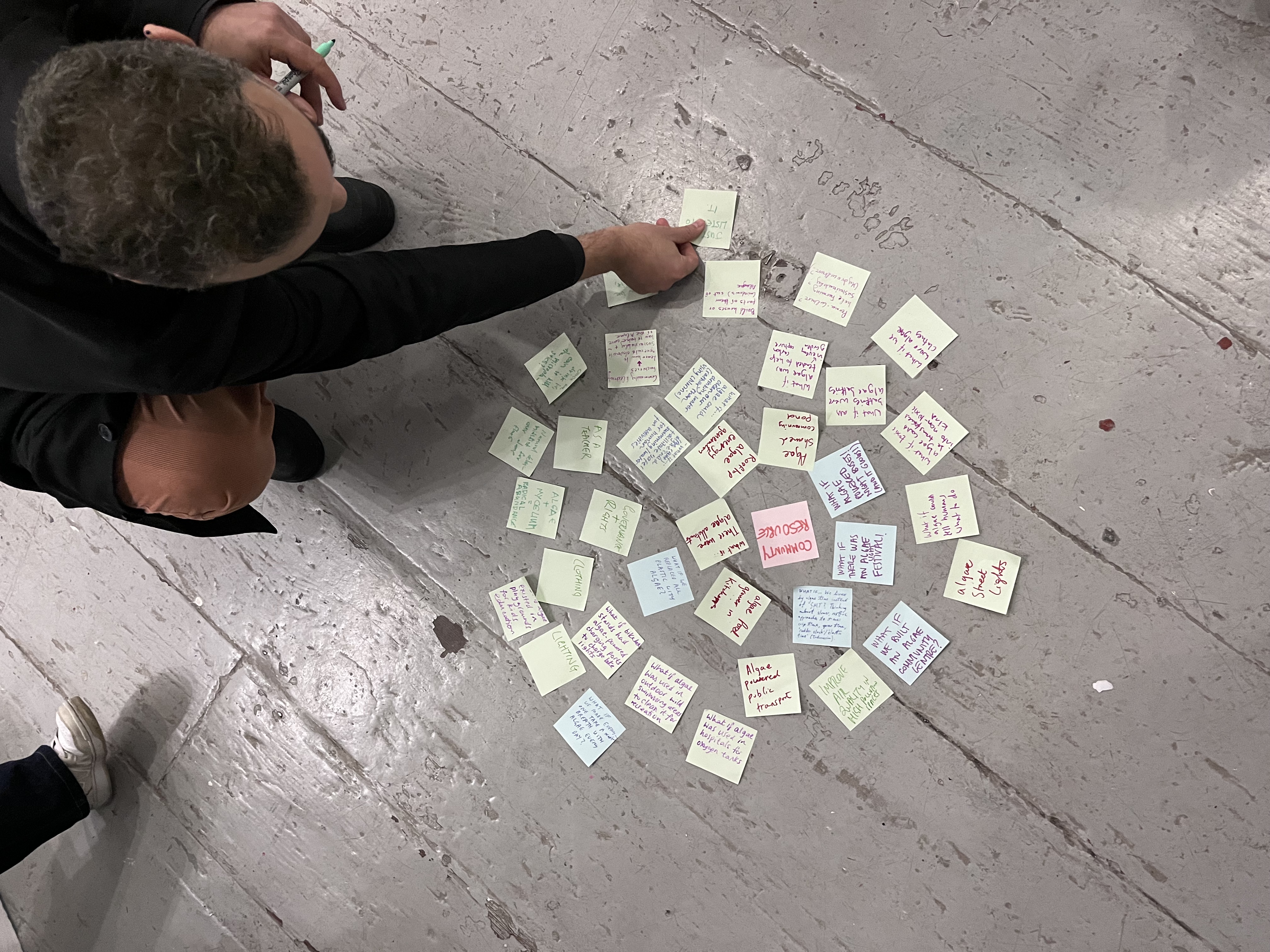
Alongside the installation, a programme of workshops invited people to work directly with the algae — culturing, observing, and experimenting with the conditions that shape their response.
Impact
Technical documentation
Full technical documentation for Phycologica — including design rationale, engineering notes, fabrication details, and research references — is available on Spore, an open-source field directory signposting the projects and knowledge growing a biopunk future.
View technical documentation on SPORE →
Credits
- Studio Blue Green
- Andrew Stone & Jon Somerscales
- Design engineering
- Kaspar Bumke, Jon Somerscales, Chris McCall, Aran Dasan
- Lab work (adt.)
- Dr Chris Williamson, Andrew Stone, Rowan Dejardin, Sonia Giulietti and everyone at MicroLab and CCAP
- Fabrication (adt.)
- Chris McCall, Christian Eaton, Tim Baker, Stefan Roberts & Tim Kritikos
- Creative coding (adt.)
- Dave Webb
- Algae
- Pyrocystis Lunula
- Exhibition & engagement
- Andrew Stone, Cécile Pujol & On-Ying Chan
- Sonic meditations
- Ximena Alarcón
- Sound design
- Manu Fito Lopez, Jon Somerscales & Xavier Velastín
- Extended field recordings
- Laura Selby & Kathy Hinde
- Front of house
- Ella Chedburn
- Documentation
- Aleksander Domanski
- Special thanks
- MicroLab@Bristol (UoB), Culture Collection of Algae and Protozoa (CCAP), National Oceanography Centre, The Biodesign Collective, Living Ink, Notpla, Blackmore printers, The Studio in Bath.
- Funded by
- The CO2RE Hub (funded by Natural Environment Research Council), led by the Smith School of Enterprise and the Environment at University of Oxford.
Printed with Algae Ink (Living Ink) on Seaweed Paper (Notpla).